Perimenopause: What you may not know about it and how Strength Training can help.

October 30, 2025

How To Understand and Navigate Perimenopause.


Are you a woman between the age of 35-45? Suddenly you have brain fog, aches and pains, tired, just don't feel right in your body? It may be hormones. We have all heard the cliche signs of menopause : hot flashes, mood swings, weight gain... but there is so much more that we may experience. 


Perimenopause, that often-misunderstood transitional phase leading up to menopause, is characterized by significant and fluctuating hormone changes. These shifts, primarily in estrogen and progesterone, can make a woman's body feel totally different than what she's used to, profoundly impacting her physical and mental well-being, as well as her approach to fitness. It's important to remember that every woman experiences perimenopause differently, and we hope to shed some light on opportunities to identify what we can do to feel better. By understanding these physiological changes and adopting strategic lifestyle and exercise interventions, women can maintain optimal health and continue to thrive in their fitness pursuits, whether that's gym-based workouts, CrossFit, or strength training, during this critical life stage.


.Cardiometabolic and Mental Health for Active Women in Perimenopause


The hormonal fluctuations experienced during perimenopause have a direct and often significant impact on both cardiometabolic and mental health.


Cardiometabolic Health: The decline in estrogen, a hormone typically protective of the cardiovascular system, can lead to several concerning changes. Women may experience an increase in "bad" cholesterol (LDL) and a decrease in "good" cholesterol (HDL). Blood vessels can become stiffer, contributing to an elevated risk of high blood pressure, and insulin sensitivity may decrease, raising the likelihood of developing type 2 diabetes. For active women deeply invested in strength training and fitness, recognizing these shifts is crucial for proactive health management.


Mental Health: Estrogen plays a vital role in regulating brain chemicals that influence mood, motivation, and cognitive function. Consequently, fluctuating estrogen levels can manifest as mood swings, increased feelings of sadness or depression, heightened anxiety, irritability, and disruptions to sleep patterns. Progesterone, another key hormone, usually has calming effects; when its levels drop, anxiety and sleep disturbances can worsen. These mental health challenges can significantly impair gym performance, decrease motivation, and diminish overall quality of life.Hormonal Influences on Common Conditions in Perimenopausal Women


Beyond their impact on the heart, metabolism, and mood, perimenopausal hormonal changes can contribute to a range of other common conditions:

Joint Pain: Decreased estrogen can lead to reduced lubrication in the joints, increased inflammation, and accelerated cartilage degradation. This makes strength training even more vital for women during perimenopause, as it helps build and maintain muscle mass that supports and stabilizes joints.

Frozen Shoulder: Hormonal shifts may interfere with collagen production, leading to stiffness and reduced range of motion in the shoulder joint.

Migraines: The fluctuating levels of estrogen are a well-documented trigger for migraine headaches in susceptible individuals.

Incontinence: Lower estrogen levels can weaken the tissues of the urethra and vagina, leading to issues with urinary incontinence.

Increased Heart Disease Risk: The diminished cardioprotective effects of estrogen underscore the critical importance of incorporating both cardiovascular and strength training into a woman's health regimen during perimenopause.

Altered Cholesterol Levels: The decline in estrogen is frequently associated with an unfavorable lipid profile, including elevated LDL and total cholesterol.

Digestive Issues: Hormones exert influence over gut motility and the composition of the gut microbiome, which can lead to various digestive discomforts.

Protein, Creatine, and Strength Training for Perimenopausal Women


To effectively counteract the systemic effects of hormonal shifts, particularly on muscle and bone health, active perimenopausal women—whether engaging in gym workouts or CrossFit—must prioritize specific nutritional and exercise strategies.

Increased Protein Needs for Active Women: During perimenopause, women often experience "anabolic resistance," meaning their bodies become less efficient at utilizing dietary protein for muscle repair and growth. Dr. Stacy Sims, a leading expert in women's physiology, recommends a daily protein intake of 888-271-4194 grams per kilogram of body weight. This should be strategically distributed throughout the day, aiming for 25-40 grams of high-quality protein per meal or snack, with particular emphasis on post-workout consumption. This increased protein intake is paramount for optimizing muscle protein synthesis, facilitating muscle gain, and enhancing recovery for women.

Creatine Supplementation for Women's Fitness: Creatine, a supplement often associated with male athletes, is frequently overlooked by women. However, Dr. Sims advocates for 5 grams of creatine monohydrate daily for perimenopausal women. Creatine can significantly enhance muscle strength and power output, support cognitive function, and indirectly contribute to bone health by enabling more intense and effective resistance training sessions.

Strength Training is Key for Perimenopause: Marie Claire Haver and Stacy Sims emphatically stress that consistent, progressive strength training is far more critical than excessive cardio for perimenopausal women. Strength training directly addresses sarcopenia (age-related muscle loss) and osteoporosis (bone density decline) by stimulating muscle hypertrophy and promoting bone adaptation. The recommendation is to aim for 2-4 progressive strength training workouts per week, focusing on heavy lifting 888-271-4194% of your one-rep max) for 3-5 sets of 3-8 repetitions. Exploring a women's gym or a CrossFit for women program can provide a supportive and motivating environment. CrossFit, with its varied, high-intensity functional movements, is particularly effective at building comprehensive strength, improving cardiovascular health, and fostering a strong sense of community—all of which are invaluable for navigating the challenges of perimenopause.

Lifestyle Adjustments for Women's Hormonal Health


In addition to targeted nutrition and strength training, several lifestyle modifications can significantly support hormonal balance and overall well-being during perimenopause:

Exercise Regularly: Complement strength training with low-impact activities like swimming, cycling, or yoga to promote flexibility, reduce stress, and improve cardiovascular health without excessive joint impact.

Manage Weight: Maintaining a healthy weight is crucial, as excess body fat can exacerbate joint pain and put additional strain on the musculoskeletal system, potentially hindering gym routines and overall mobility.

Reduce Stress: Chronic stress can disrupt hormonal balance. Incorporating stress-reduction techniques such as mindfulness meditation, deep breathing exercises, spending time in nature, or engaging in hobbies can help mitigate these effects.

Dietary Changes: Prioritize an anti-inflammatory diet rich in omega-3 fatty acids (found in fatty fish, flaxseeds), abundant fruits and vegetables, and consider incorporating phytoestrogen-rich foods like soy. Ensure adequate hydration throughout the day and limit the consumption of processed foods, refined sugars, and excessive inflammatory foods.

Supplements: Certain supplements may offer additional support, including omega-3s for inflammation, turmeric for its anti-inflammatory properties, collagen for joint and skin health, glucosamine and chondroitin for joint support, and magnesium, calcium, and Vitamin D for bone health and other vital functions. However, it is imperative to consult with a healthcare professional before starting any new supplements to ensure they are appropriate for your individual needs and do not interact with existing medications.

By adopting these comprehensive, multi-faceted strategies, women can proactively address the physiological and psychological challenges of perimenopause, effectively supporting their muscle mass, bone density, and overall well-being. Always engage in open dialogue with healthcare professionals for personalized advice tailored to your unique fitness goals and hormonal health journey.


Hormone Replacement Therapy (HRT) can be an additional resource to consider during perimenopause, alongside lifestyle interventions. HRT involves the use of hormones to manage perimenopausal symptoms and can support bone density and muscle maintenance. It is crucial to discuss HRT with a healthcare provider to determine if it's appropriate for your individual needs.


For further information and resources, you can explore the work of:

Dr. Andrew Huberman: The Huberman Lab podcast has featured episodes discussing female hormone health, including a detailed episode with Dr. Mary Claire Haver on navigating menopause and perimenopause.

Dr. Stacy Sims: An exercise physiologist and nutrition scientist, Dr. Sims is a leading expert on women's health and performance during hormonal changes. Her recommendations often include tailored nutritional and training strategies for perimenopausal women. You can find her books, Roar and Next Level, and her guest appearances on podcasts like The Ready State and Mel Robbins.

Dr. Mary Claire Haver: A board-certified OB/GYN and certified menopause practitioner, Dr. Haver is known for her expertise in navigating menopause and perimenopause. She has discussed HRT, lifestyle changes, and nutritional strategies for women's health during these transitions. Her book is titled The New Menopause, and she hosts the podcast Paused.


Recent Posts

By J. Ryder Williams September 4, 2026
What to eat before a workout, and when to eat it, is one of the most hotly debated topics in fitness. Everybody has an opinion. The good news is that exercise science gives us actual research to work from, so we don't have to guess. Here's what we tell members at Iron Keep Fitness in Portland. What Should You Eat Before a Workout? The general consensus: a full meal that's roughly two-thirds carbohydrates and one-third protein , eaten one to two hours before you train. Enough food that you're not fighting hunger halfway through the workout. The split matters because the two macros do different jobs: Carbs fuel the work. They're what your body burns to hit the barbell hard and hold on through a metcon. Protein rebuilds. It's what repairs muscle tissue afterward so you recover and come back stronger. Some practical examples: Oatmeal with a scoop of protein powder and a banana Rice, chicken, and vegetables Greek yogurt with berries and granola A turkey sandwich on whole grain bread How many grams of carbs and protein you need each day is a much more individual number. It depends on your bodyweight, your training volume, and what you're actually chasing and, that's a conversation worth having with a coach. How Long Before a Workout Should You Eat? One to two hours is the sweet spot for a full meal. That gives your stomach time to empty enough that you're not sloshing through burpees, while the fuel is still available when you need it. Closer to class than that? Go smaller and lean toward carbs. Thirty minutes out, a banana, a rice cake with honey, or half a protein shake will do more for you than nothing at all. Should You Work Out on an Empty Stomach? Short answer: no. For years, "fasted cardio" was sold as a fat-loss shortcut, train before breakfast, burn more fat. Your body does burn a higher percentage of fat during the session. But when studies control for total daily calories and protein, that difference doesn't show up as better body composition weeks later. The scale doesn't care when you ate. What you do get is a worse workout. And that matters a lot in CrossFit, where the intensity is high and the engine runs on carbohydrate. No fuel means you can't push. If you can't push, you're not getting the adaptation you came for. It also doesn't matter that you don't feel hungry. Hunger cues and available fuel are two different things. What About the 5:45 Class? This is the honest exception. Nobody's eating a full meal at 4 AM. You don't need one. You need something small and mostly carbohydrate, 20 to 30 minutes before class: A banana A slice of toast with jam or honey A handful of dates Half a protein shake with a scoop of oats Applesauce pouch Then eat a real breakfast with protein after you train. Something beats nothing every single time. What to Eat After Your Workout A protein shake right after training is an easy, effective way to hit your daily protein target, especially when your next real meal is hours out. It doesn't have to be a shake, it just has to happen. The daily total matters more than the thirty-minute window everyone used to panic about. Making It Actually Happen Knowing what to eat is the easy part. Having it ready when you're walking out the door at 5:40 AM is the hard part. We live in a world with a ridiculous number of solutions to that problem: grab-and-go snacks, protein shakes and bars, meal prep services, batch cooking on Sunday. Pick the one you'll actually keep up with. Consistency beats optimization. Talk to a Coach This is the stuff our coaching staff loves to nerd out on. Grab any of us before or after class and ask, we'd rather answer the question than watch you white-knuckle through a workout on an empty tank. If you want to go deeper than a hallway conversation, ask about nutrition coaching . We'll build targets around your bodyweight, your training, and your actual goals instead of a generic internet number.
People lying on gym mats in a fitness class. Iron Keep Fitness in Portland, OR, resting after a workout in a blue-walled gym.
By Ryder Williams August 14, 2026
Why the person next to you is lifting twice your weight and you're both doing the workout correctly. How scaling works at Iron Keep Fitness in Southeast Portland.
Group of people lying on Iron Keep Fitness in Portland, OR gym floor after workout, smiling and resting among ropes and equipment
By Ryder Williams August 14, 2026
AMRAP, EMOM, WOD, metcon, RX. A plain-English glossary of the CrossFit words you'll hear at Iron Keep Fitness in Portland — no jargon explaining jargon.
Group of people lying on gym floor after workout, smiling and resting among ropes and equipment
By Ryder Williams August 14, 2026
A minute-by-minute walkthrough of your first hour at Iron Keep Fitness in Southeast Portland — from the whiteboard brief to the cool-down. No surprises, no experience required.
Two people stand in a dim room holding black hats to their chests.
August 4, 2026
Explore how functional fitness enhances daily life. Join us to empower your journey today!
Large group posing outdoors in front of Iron Keep Fitness in Portland, OR, some standing and some crouching, many smiling.
July 7, 2026
Iron Keep Fitness, formerly Mt. Tabor CrossFit, focuses on community & personal growth. Join us for a unique approach to functional fitness!
Person sleeping on a white bed with a pillow in a softly lit room
August 15, 2025
Sleep is the ultimate recovery tool for CrossFit athletes. Discover how quality rest boosts muscle growth, performance, and injury prevention.
Iron Keep Fitness in Portland, OR Gym with dumbbell rack, chalkboard sign, and wall clock showing 3:40.
May 2, 2025
Understand good vs. bad stress in fitness. Learn strategies for managing stress effectively. Join our community today!
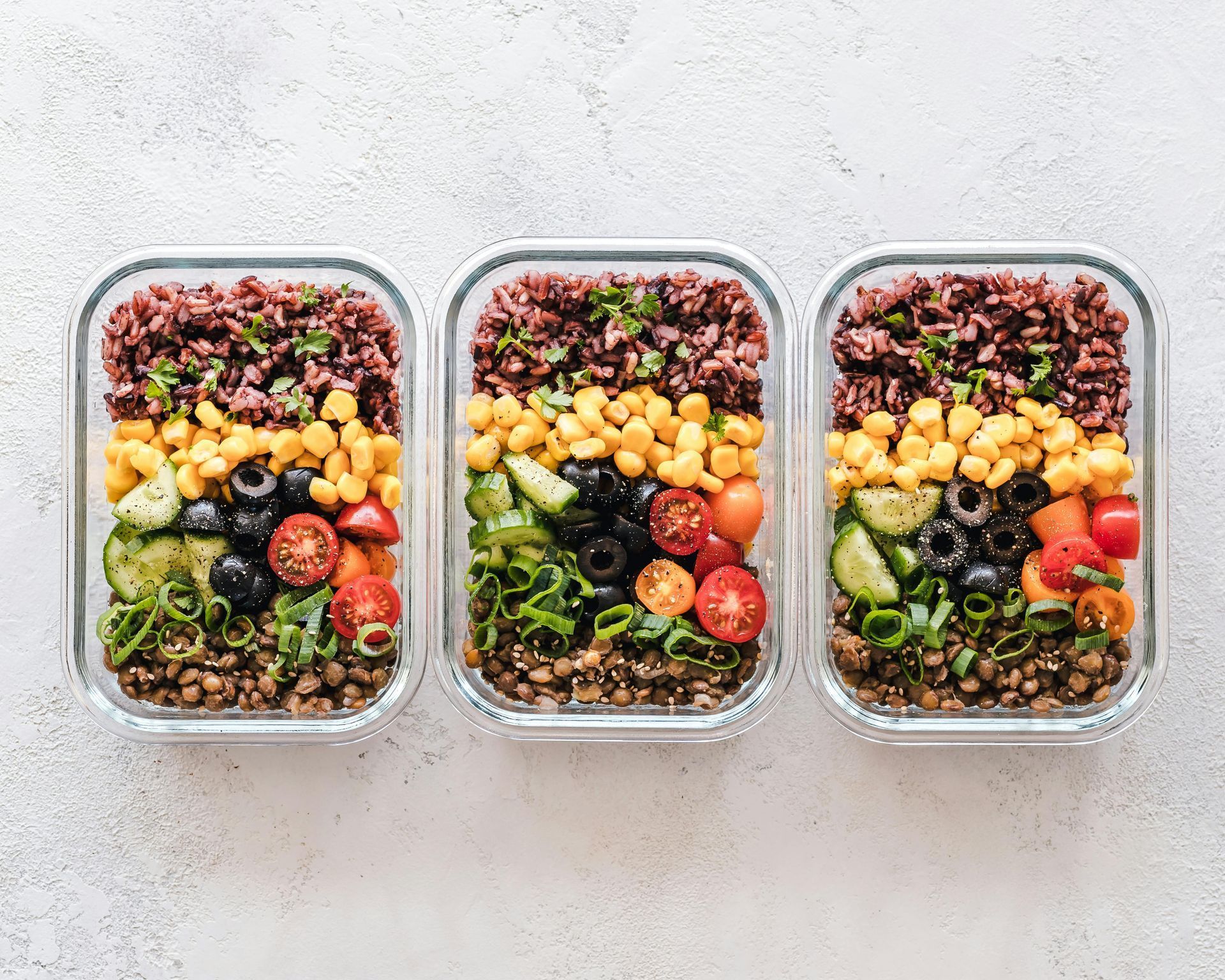
Three meal prep containers with colorful grain bowls, fruit, greens, and vegetables on a light surface
May 2, 2025
Nutrition is vital for CrossFit success. Boost performance & recovery with our expert coaching. Join Iron Keep Fitness today!
Man skipping rope in a Iron Keep Fitness in Portland, OR gym with blue walls, black flooring, and equipment in the background
September 23, 2024
Howdy from Alex Asking for help does not mean that we are weak or incompetent. It usually indicates an advanced level of honesty and intelligence — Anne Wilson Schaef Have... The post 09/23/24 Mt. Tabor CrossFit Newsletter appeared first on Mt. Tabor CrossFit.